Welcome to the Department of Anthropology!
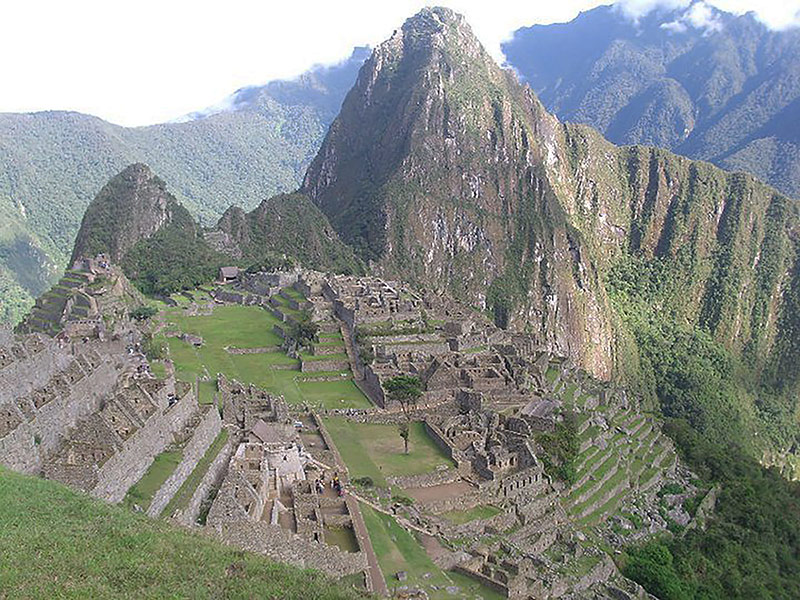
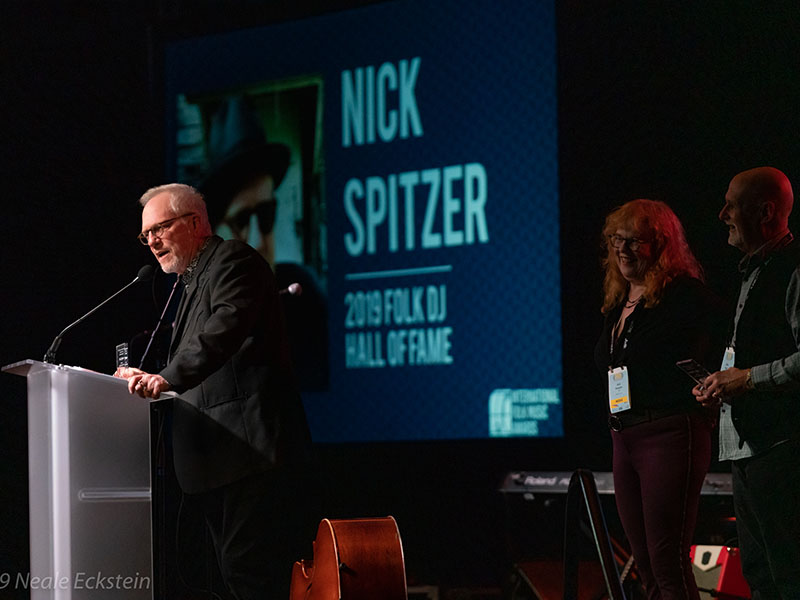
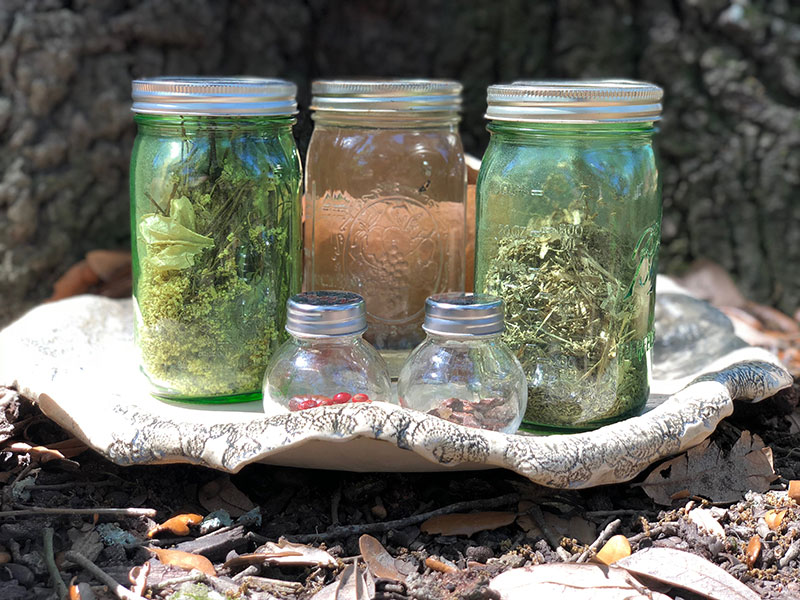
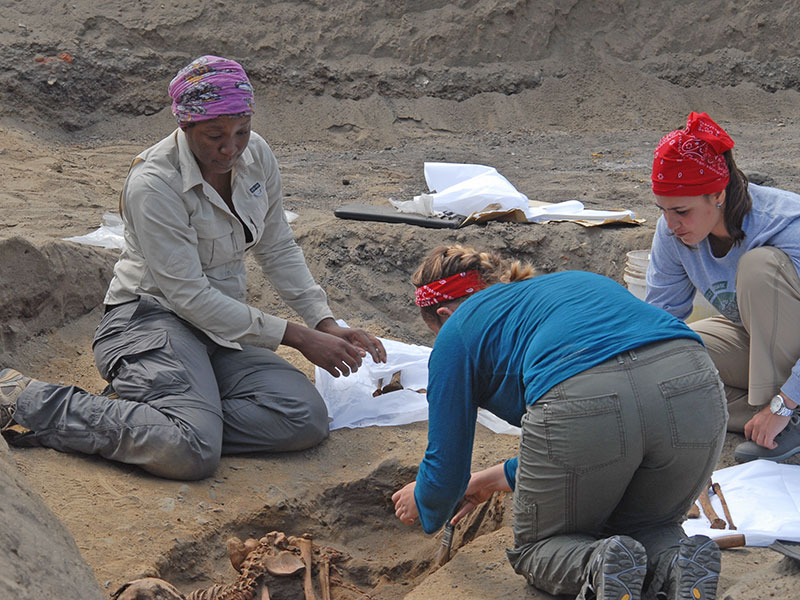
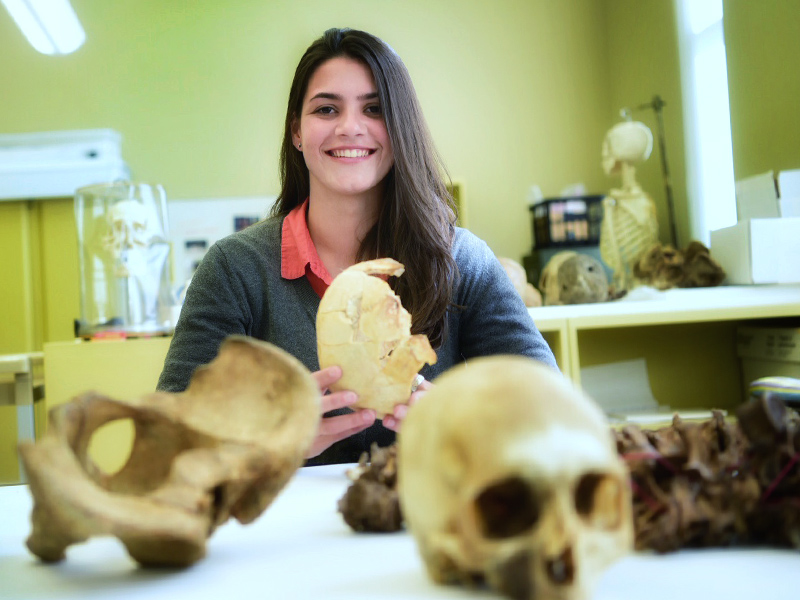
We offer programs in the four fields of anthropology—anthropological archaeology, biological anthropology, sociocultural anthropology, and linguistic anthropology. Our research and teaching are global in scope and expansive across time. In any semester, students can learn about topics ranging from the origins of modern humans to indigenous forms of justice, from mortuary practices to social practices around disease and wellness, from the impact of climate change to the role of music as transnational identity, to name just a few.
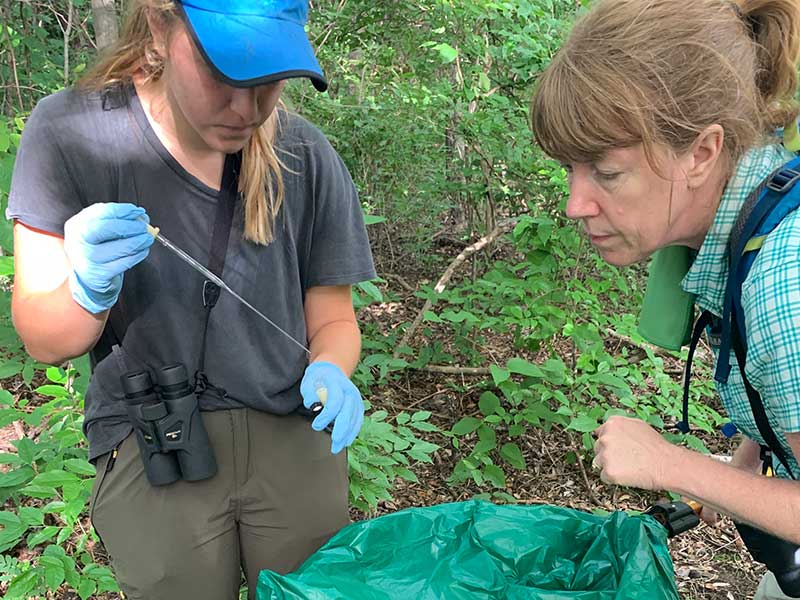
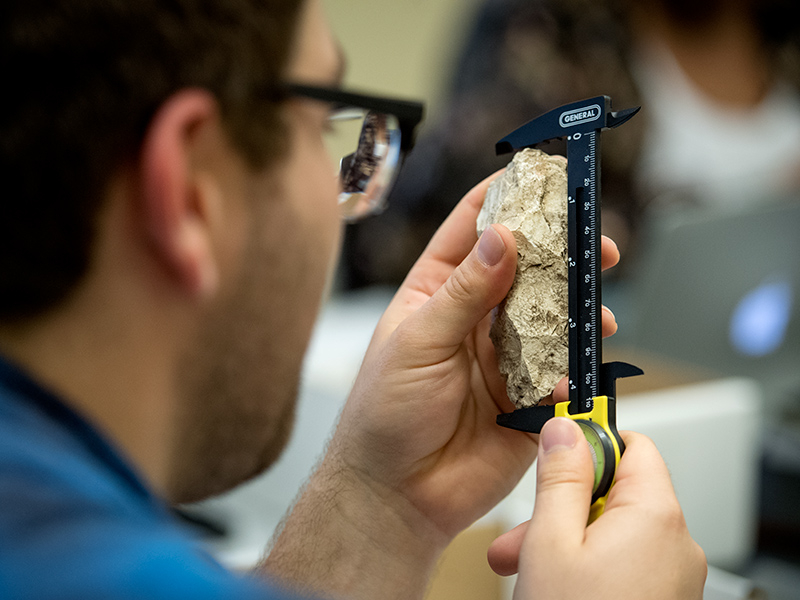
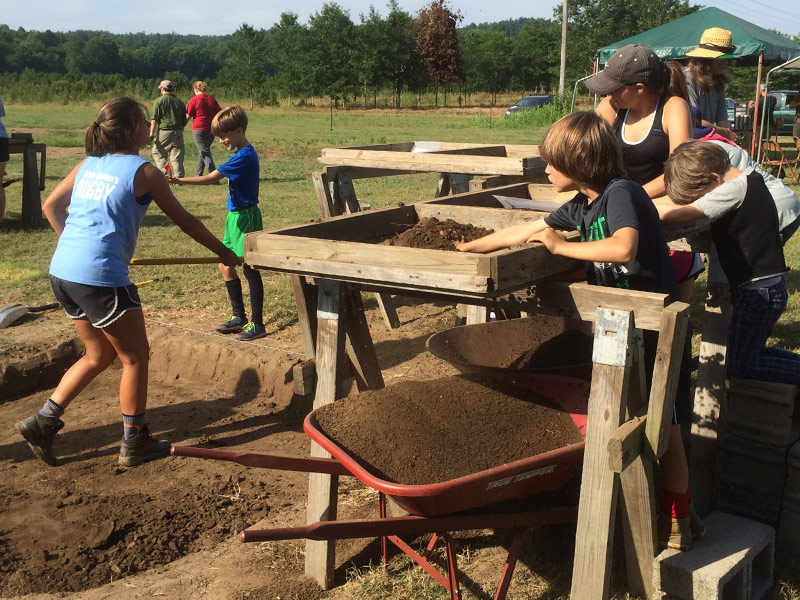
Anthropology occupies the boundary of the humanities and social sciences. As both a bridge among fields and a discipline of its own, it enables students to engage diversity through various anthropological techniques for conceptualizing, collecting, and analyzing data. Our research involves fieldwork grounded in material culture and animated through symbolic meanings that involve story-telling and lab-work.
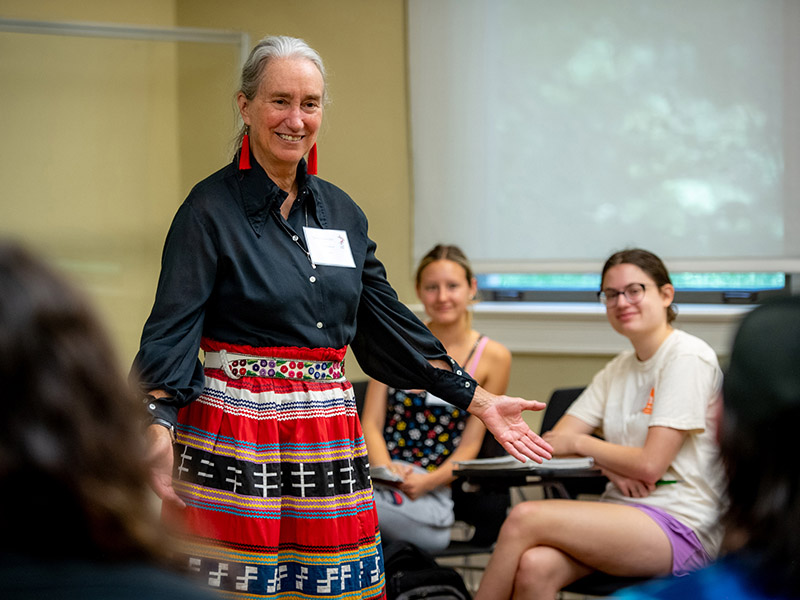
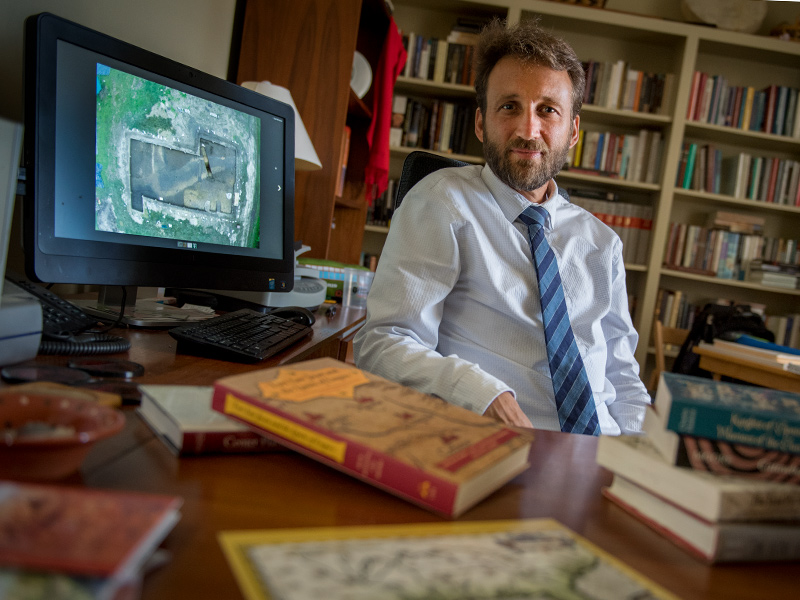
Our award-winning faculty bring their research into the classroom, showing students questions that drive their research, debates that animate their findings, and ethical concerns that spur new questions. With this training, students learn to appreciate and respect diversity as well as cultivate new ideas about how people live and make sense of their worlds.
We welcome you to visit us in Dinwiddie Hall to learn more about our graduate and undergraduate programs. During your visit, stop by the third floor where you will find the Middle American Research Institute (MARI), a preeminent center of archaeological and linguistic research founded in 1924. There you can visit the exhibit hall and see where student interns learn about the preservation and exhibition of material culture.
Allison Truitt,
Professor and Chair of Anthropology
Land Acknowledgement
As anthropologists, we respectfully acknowledge that Tulane and New Orleans sit on unceded Chitimacha lands. Known in Choctaw and Mobilian Jargon as Bulbancha “Place of Many Tongues”, this raised land between the Mississippi and Bayuk Chopik (Bayou Saint John) has long been a meeting place for over 40 Indigenous groups. Their cultures and knowledges, as well as those of other Indigenous peoples of the Americas, continue to inform and enrich our lives and our studies.
Department Contacts:
Allison Truitt, Department Chair
Jason Nesbitt, Director of Graduate Studies
Nicole Katin, Director of Undergraduate Studies
Announcements:
If you need transfer credit or want to declare a major, contact Dr. Nicole Katin, Director of Undergraduate Studies. You can find general information about declaring a major or minor on the Tulane Advising website.
If you are interested in an internship with MARI, please apply for the MARI internship program.
If you need to be cleared to register for a course, speak first with the professor and then email Susan Chevalier, scheval@tulane.edu, with your TU ID.
If you are planning on applying to our PhD program, please go to the Tulane Graduate Admission website to apply. The deadline is December 15.
If you are interested in applying to our 4+1 program, please contact Dr. Jason Nesbitt, Director of Graduate Studies.